



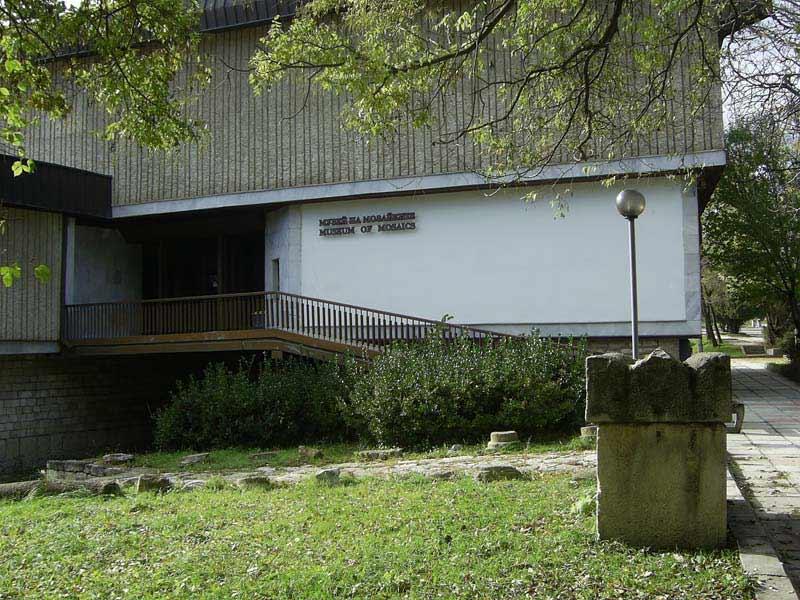
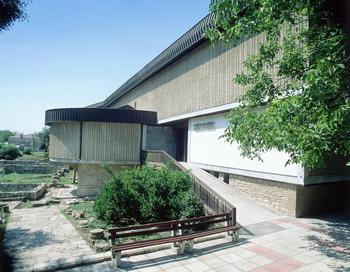
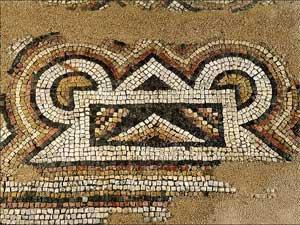
The Mosaic Museum in Devnya presents Roman and Early Byzantine mosaics from Marcianopolis. The idea of its construction was born in the course of archaeological studies that began in 1976 and continued with five seasons of excavations with some interuptions. A large Late Roman building with mosaics (villa urbana) was excavated in these studies.
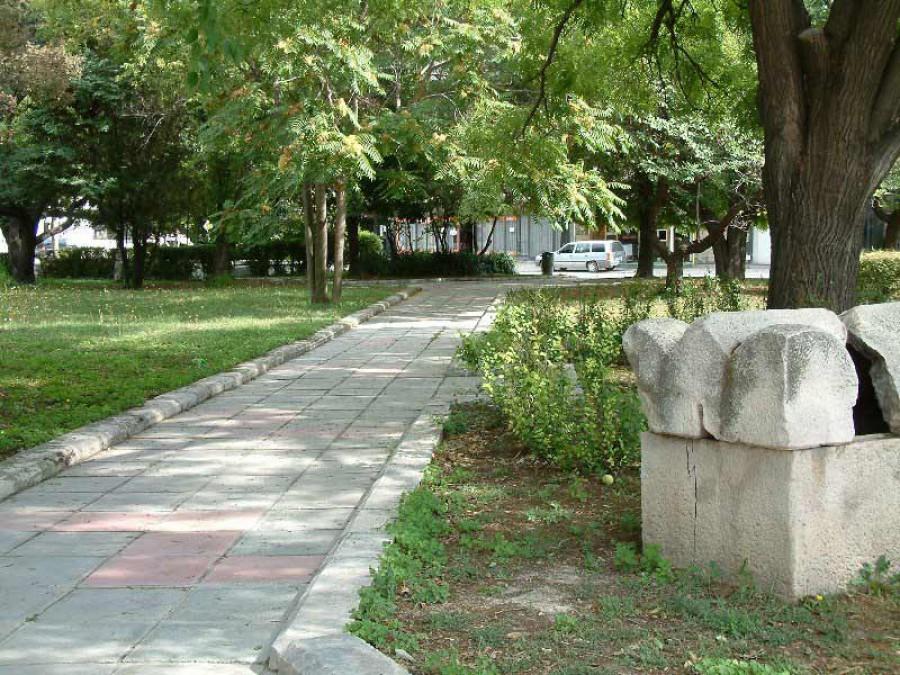
The museum was built by architect Kamen Goranov on part of the ancient foundations of the building with the mosaics. It was built at the end of the III - beginning of IV century (the time of Constantine I the Great) in place of an earlier building (buildings) destroyed during the Gothic invasions in 250-251. With repairs and reconstructions the building existed until the beginning of VII Century.
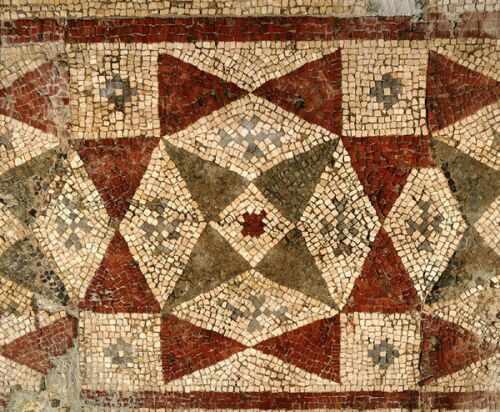
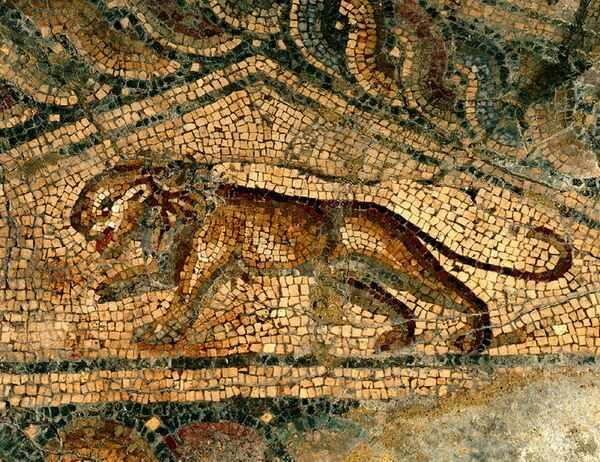
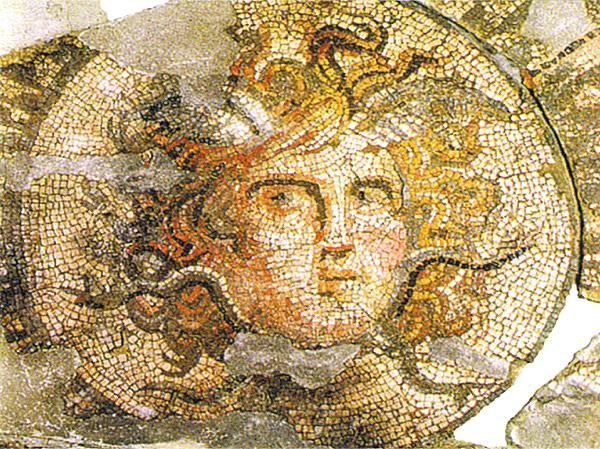
The building occupies an area of 37.15 m (north-south) and 37.75 m (east-west). Her plan follows the traditions of the Greco-Roman atrium-peristyle home. An atrium (11,11 x 5,87 m), covered with stone slabs, with a stone well in the middle (0,76 m in diameter) surrounded by three sides covered with a limestone column gallery (peristyle) ( 92.63 square meters), there are 21 residential, business and warehouse rooms with a total area of 1402 square meters. The walls of the living quarters were covered with colored plasters and frescoes, with plaster pits. Five of the rooms and the portico are covered with multicolored floor mosaics - some of the best examples of Roman mosaic art from that time, discovered in Bulgaria.
Three of these mosaics are presented in the museum in situ in the rooms where they were found, and the rest, after conservation and partial restoration, were transferred to a new supporting base.
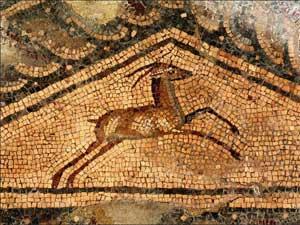
The mosaics are crafted in the classic opus tesselatum and opus vermiculatum techniques of small pebbles - marbles, limestone, roasted clay and colored glass in 16 colors. They represent mainly characters and scenes from Greco-Roman mythology, exotic animals and birds, plant and geometric motifs.
Source: http://www.devnia.bg/
Translation Yordan Georgiev - trainee


